Check Engine Light Diagnostic Testing
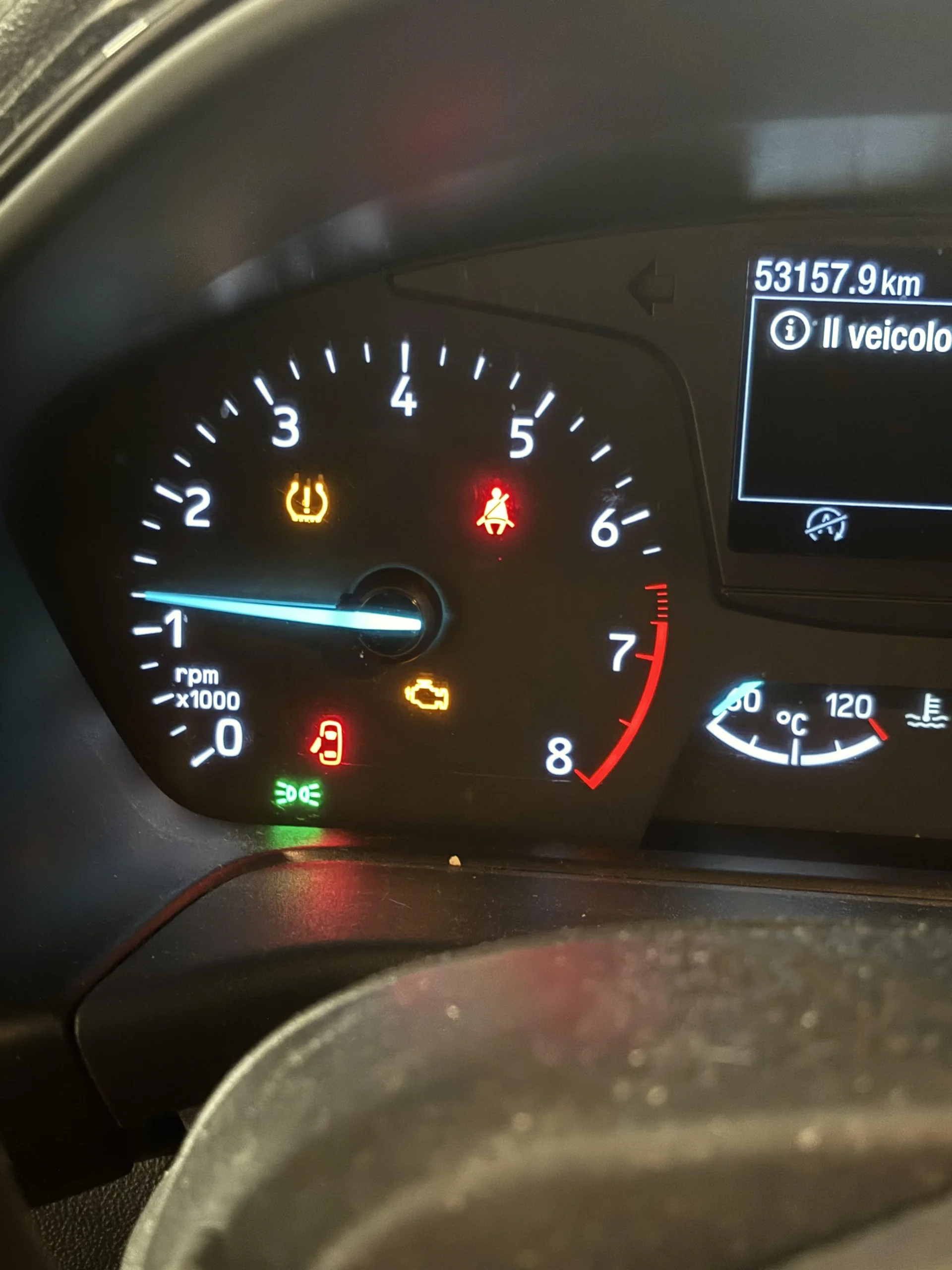
A check engine light means your vehicle’s onboard computer detected a problem and stored diagnostic information. The warning may involve a sensor, ignition or fuel system, wiring, electrical circuit, voltage problem, emissions-related component, or engine-control system.
Our Milwaukee technicians use professional diagnostic equipment to retrieve trouble codes, review live vehicle data, and test the affected system. Rather than treating a trouble code as an automatic parts replacement recommendation, we work to determine why the code was triggered and what actually needs repair.
For broader electrical faults involving several vehicle systems, learn more about our auto electrical diagnostics and repair.
Why a Check Engine Code Does Not Always Mean a Part Is Bad
A diagnostic trouble code identifies a condition the vehicle computer detected, but several different problems can create the same code.
For example, a sensor-related code may be caused by the sensor itself, damaged wiring, a loose connector, missing voltage, poor ground, or another system affecting the sensor reading.
Proper diagnostics may include checking:
- Stored and pending trouble codes
- Live sensor data
- Wiring and electrical connectors
- Power and ground circuits
- Battery and system voltage
- Sensor signals
- Engine-control communication
- Related components within the affected circuit
Testing the circuit first can help prevent replacing parts that were never actually faulty.
Signs Your Check Engine Light Needs Diagnostic Testing
If your vehicle’s check engine warning stays on, flashes, or repeatedly returns, diagnostic testing can help identify the system causing the problem.
A flashing check engine light can indicate a more urgent active problem. If the vehicle is shaking, losing substantial power, overheating, or running extremely poorly, avoid unnecessary driving and have it evaluated promptly.
Read our guide to why a check engine light may be flashing for more information.
Our Check Engine Light Diagnostic Services
We diagnose check engine warnings and related engine-control problems using scan data, electrical testing, and system-specific troubleshooting.
Why Choose Milwaukee Auto Electrical & Airbag
Our shop specializes in automotive electrical diagnostics and electronic vehicle systems. When a check engine light appears, we focus on determining the cause behind the code instead of automatically replacing the component named in a scan result.
Professional Diagnostic Equipment
We use professional scan and electrical testing equipment to retrieve trouble codes, review live data, and investigate the system connected to the warning.
Testing Before Parts Replacement
A trouble code provides direction, but it does not always prove which component failed. We test the affected circuit before recommending unnecessary parts.
Electrical Troubleshooting Experience
Check engine warnings can involve wiring, connectors, power, grounds, sensors, voltage, and vehicle computers. Electrical testing is an important part of finding these faults.
Help With Recurring Check Engine Lights
If the light has been cleared, repaired elsewhere, or continues returning after parts were replaced, we can investigate why the fault is still being detected.
Vehicle Computer Diagnostics
When testing points toward the engine-control system, we can investigate communication, power, ground, wiring, and related ECU or ECM concerns.
Clear Diagnostic Findings
After testing, we explain what was found and what repair makes sense based on the actual diagnostic results.
Specialized Check Engine Light Diagnostic Solutions
A check engine warning can come from many different systems. Our diagnostic process helps narrow the problem to the circuit or component actually responsible.
If testing points toward the vehicle computer, learn more about our ECU diagnostics and repair and ECM diagnostics and repair.

