Auto Electrical Problems We Diagnose in Milwaukee
Our Milwaukee auto electrical repair shop diagnoses problems involving vehicle wiring, circuits, switches, sensors, accessories, charging systems and electronic control modules. Because many automotive electrical systems share power, grounds and communication networks, the symptom you see may not always reveal where the actual fault started.
Our Milwaukee shop diagnoses electrical concerns including:
- Car will not crank or start
- Battery keeps dying or losing power
- Parasitic battery drain while parked
- Dashboard warning lights or check engine light
- Multiple warning lights appearing at the same time
- Fuses that keep blowing
- Flickering headlights, interior lights or dashboard lights
- Power windows, locks, mirrors or seats not working
- Intermittent electrical problems that come and go
- Wiring, connectors or ground problems
- Sensors or switches that stop responding
- ECU, ECM, BCM and other module communication faults
- Electrical problems after rain, water exposure, collision damage or previous repairs
A diagnostic scan can identify stored fault codes and show which vehicle systems are reporting problems, but a code alone does not always identify the failed part. For example, a body control module code may actually be caused by low voltage, damaged wiring, a poor ground or a connector problem. Proper electrical troubleshooting helps identify the cause before unnecessary parts are replaced.
Electrical diagnostics start from $135 at our facility at 2636 S 32nd St in Milwaukee. The amount of testing required depends on the vehicle, symptoms and complexity of the fault. Learn what the starting rate covers in our guide to auto electrical diagnostic costs in Milwaukee.
How Our Milwaukee Auto Electrical Diagnostics Work
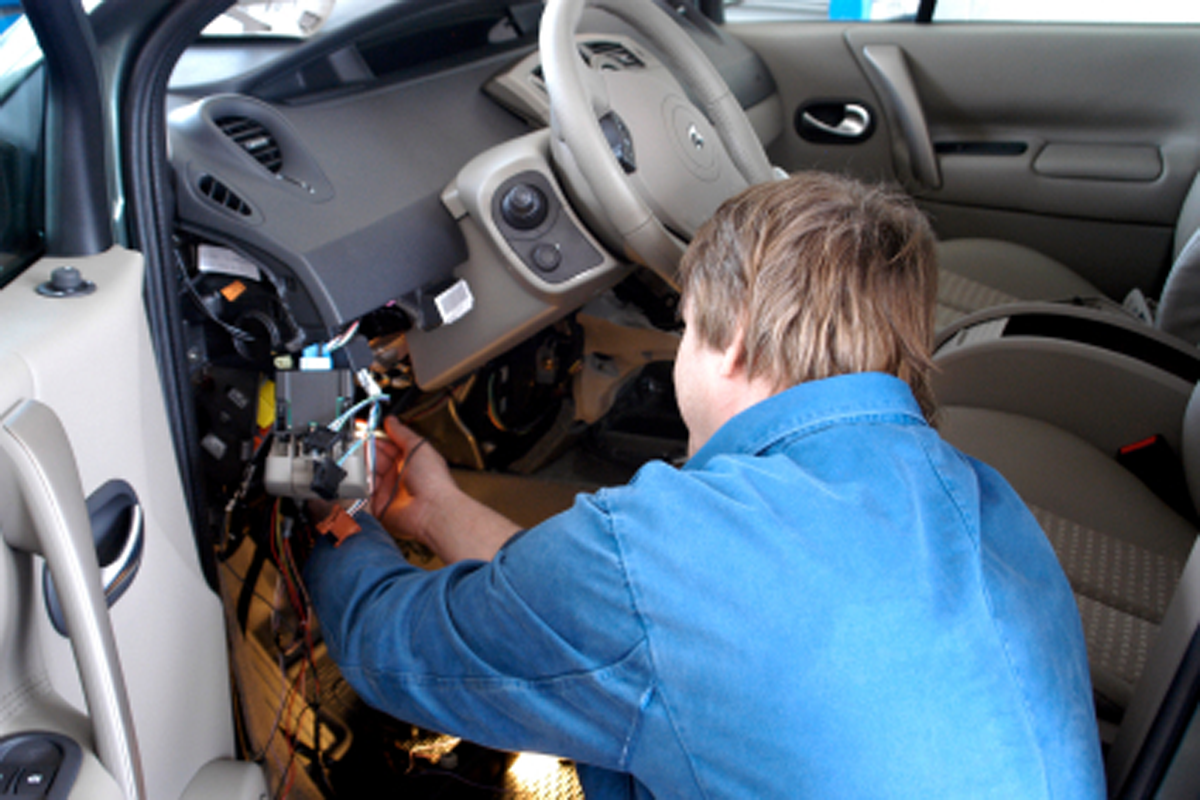
Auto electrical diagnostics should identify the cause of a problem before parts are replaced. Depending on the vehicle and symptoms, testing may include scan-tool data, voltage and ground checks, wiring tests, fuse and relay testing, sensor evaluation, and communication checks between vehicle modules.
Confirming the Reported Symptoms
We begin by confirming what the vehicle is doing. This may include a no-start condition, dashboard warning light, battery drain, intermittent electrical problem, failed accessory, or another symptom that helps narrow down the affected electrical system.
Scanning Vehicle Modules and Fault Codes
We scan connected vehicle modules for stored fault codes, communication errors, unavailable modules, and abnormal sensor data. A scan helps identify the affected system, but additional electrical testing is often needed before determining which component has actually failed.
Faults involving the vehicle computer may lead us to inspect systems such as the ECU, ECM, or BCM.
Testing Power, Grounds, Fuses and Relays
Many automotive electrical problems are caused by unstable voltage, poor grounds, blown fuses, failed relays, or damaged connections. We test the related circuit to determine whether the problem is coming from the power supply, wiring, a component, or an electronic control module.
Inspecting Wiring and Connectors
Damaged wiring, corrosion, loose terminals, moisture, and previous repairs can interrupt power or communication between vehicle systems. Testing helps locate open circuits, short circuits, excessive resistance, damaged connectors, and other electrical faults.
Testing Sensors and Safety Systems
A warning light does not always mean the warning-light component itself has failed. Sensor, wiring, voltage, and module problems can affect systems throughout the vehicle, including the airbag system and SRS system. Proper testing helps identify the actual source of the fault.
Identifying the Cause Before Replacing Parts
Once the affected circuit is isolated, we explain what was found and which repair is appropriate. The solution may involve repairing wiring, cleaning or replacing a connector, restoring power or ground, replacing a relay, repairing a module, or correcting another electrical fault.
Electrical testing is especially important when an ECU, ECM, BCM, or another vehicle computer is suspected. A module-related fault code does not automatically mean the computer itself needs to be replaced.
Electrical diagnostics at our Milwaukee shop start at $135. Learn more about what affects testing time and pricing in our guide to auto electrical diagnostic costs in Milwaukee.
Why Electrical Testing Before Replacing Parts Matters
Modern vehicles rely on connected sensors, wiring, grounds, relays, and electronic control modules. When one part of the electrical system develops a fault, it can trigger symptoms somewhere else in the vehicle. This is why replacing a component based only on a warning light or fault code can lead to unnecessary repairs.
Proper auto electrical diagnostics help determine whether the problem is being caused by the component itself or by something affecting it, such as damaged wiring, low voltage, corrosion, a poor ground, or a communication fault.
If testing points to a vehicle computer, we can further diagnose systems such as the ECU, ECM, or BCM before determining the appropriate repair.
Signs Your Car May Have an Electrical Problem
Car electrical problems can show up in many different ways. Some symptoms are obvious, such as a vehicle that will not start, while others may appear as warning lights, accessories that stop working, or electrical problems that come and go.
Common signs that your vehicle may need auto electrical diagnostics include:
Electrical symptoms can have several possible causes, which is why proper testing is important before parts are replaced. If you are unsure whether the problem is electrical, our guide to auto electrical diagnostic costs in Milwaukee also explains what testing may involve before repairs begin.
What Our Auto Electrical Repair Service Includes
Once the electrical problem has been diagnosed, the repair depends on the circuit, component, wiring, or vehicle system causing the fault. Our Milwaukee auto electrical repair services may include:
Battery and Charging-System Testing
We test battery voltage, charging performance, connections, grounds, and related circuits when a vehicle has repeated battery problems, starting issues, or unstable electrical power.
Wiring and Connector Repair
Damaged wiring, loose terminals, corrosion, moisture, and poor connections can interrupt power or communication. Repairs may involve correcting damaged wiring, connectors, terminals, or related circuits.
Parasitic Battery Drain Testing
If a battery repeatedly dies while the vehicle is parked, testing can help identify circuits, accessories, or electronic modules that continue drawing power after the vehicle is turned off.
Fuse, Relay and Ground Repair
Blown fuses, failed relays, and poor ground connections can cause electrical systems to stop working or behave intermittently. We test the related circuit before replacing components.
Sensor and Switch Diagnostics
Sensors and switches can fail or produce misleading symptoms when wiring, voltage, or communication problems are present. Testing helps determine whether the component itself or the surrounding circuit is responsible.
Vehicle Lighting Electrical Repair
Electrical faults involving headlights, taillights, interior lighting, switches, wiring, or related circuits can affect visibility and vehicle safety. Learn more about our vehicle lighting electrical repair in Milwaukee .
Electrical Repair FAQs
Find answers to common questions regarding vehicle wiring and electronic systems from our Milwaukee expert technicians.

